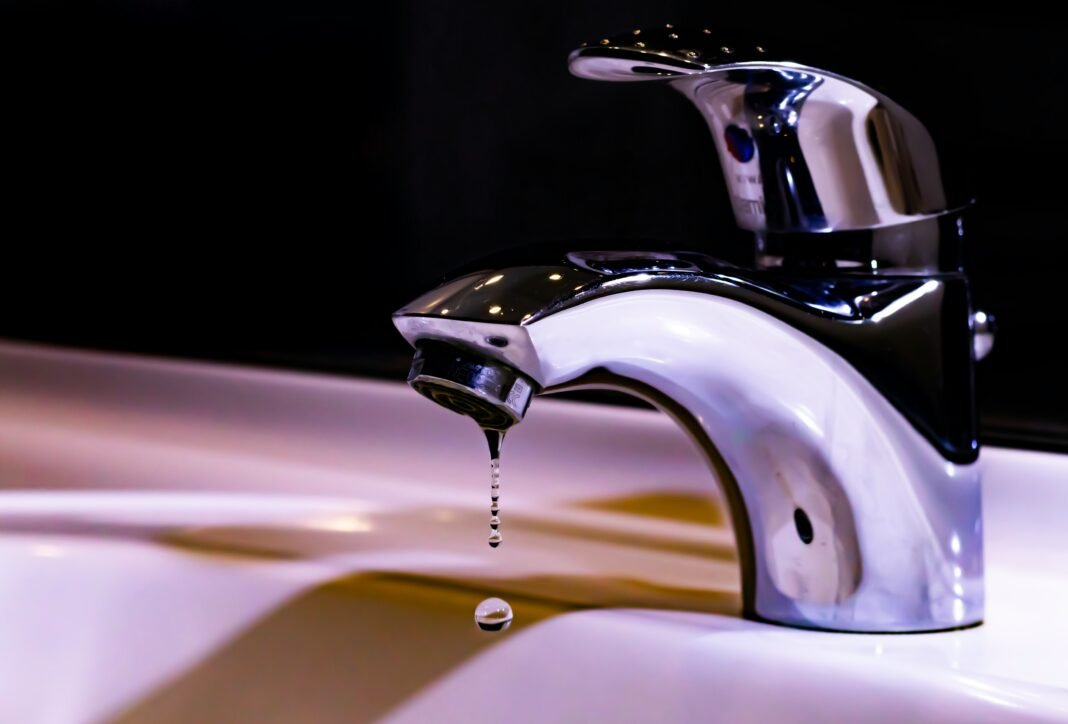

If you turn on a faucet in a large house and stand there for what feels like forever before the water warms up, the main reason is distance. Hot water has to travel from the water heater, through a long run of pipe, all the way to that fixture. The water already sitting in the pipe has cooled since the last time you used it, and every bit of that cooled water has to be pushed out before the hot water arrives. The bigger the home and the farther the fixture, the longer the wait. This article explains what causes the delay and how a recirculation system solves it.
The Real Cause: Distance and the Water Already in the Pipe
Between uses, the hot water left in your pipes gives up its heat to the surrounding air and cools to room temperature. When you open the tap, you are not waiting for the water heater to do its job. You are waiting for that slug of cooled water to clear the line so the freshly heated water behind it can reach you. A short run from heater to fixture clears in a moment. A long run in a big house can take many seconds, and all of that water runs straight down the drain.
Why Large Homes Have It Worse
Several features of bigger houses stack the delay. Fixtures are often located far from the water heater, sometimes on the opposite side of the home or on an upper floor. Branch lines are longer, so there is simply more cooled water to flush out. Homes with more than one story add vertical distance on top of horizontal runs. When a single water heater serves a wide footprint, the fixtures at the far edges always pay the price in waiting time.
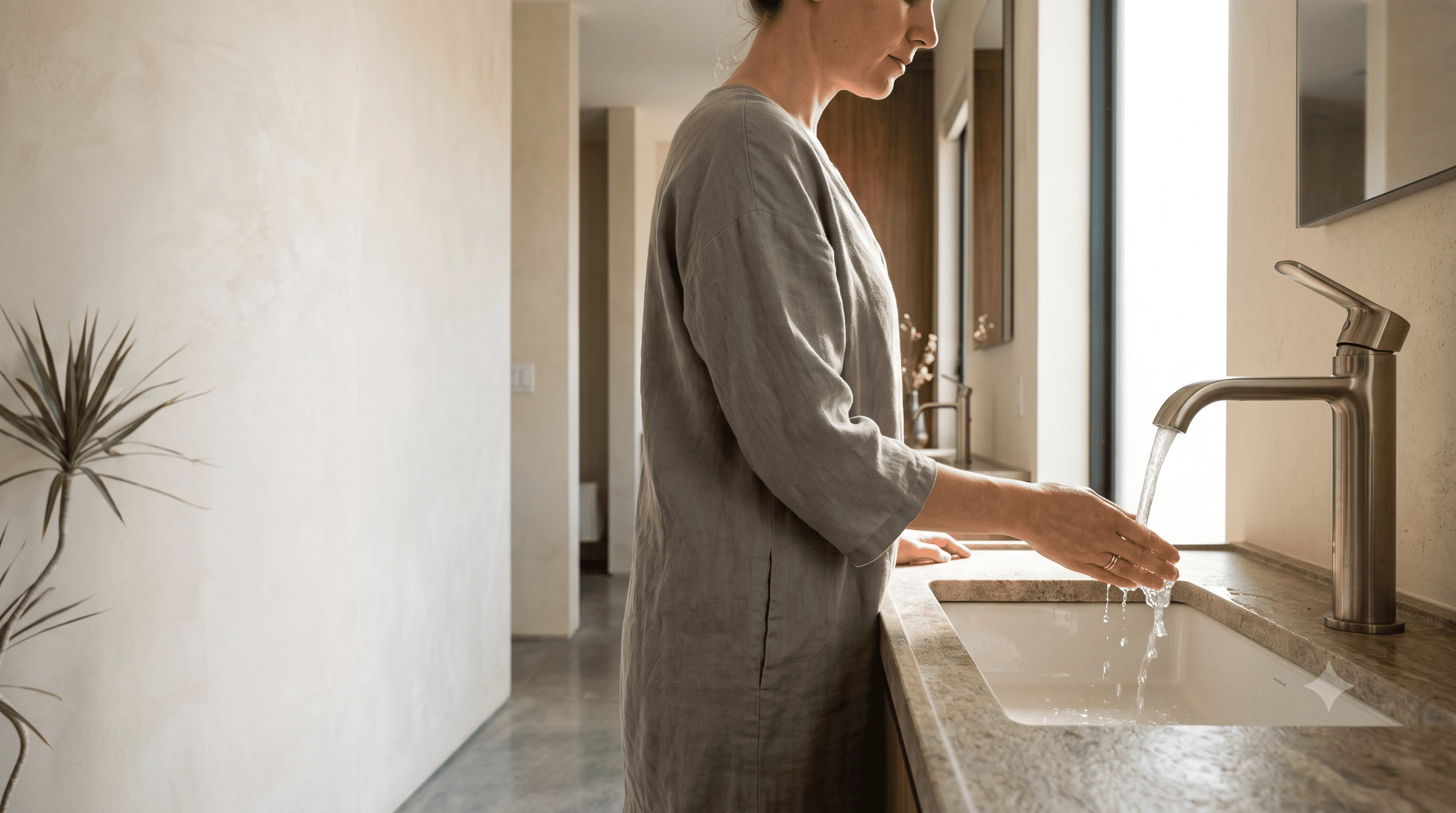
The Factors That Make the Wait Longer
Pipe size plays a quiet role. Wider pipe holds more water per foot, so an oversized line takes longer to clear even over the same distance. Uninsulated pipe loses heat faster between uses, which means the water sitting in it is colder and there is more of it to replace. Low flow fixtures, while good for conservation, can lengthen the perceived wait because less water moves through the line each second. And a water heater tucked into a far corner of the house, rather than near the most used bathrooms and kitchen, guarantees long runs from the start.
What the Waiting Actually Costs
The delay is not just an annoyance. Every long wait sends gallons of clean, treated water down the drain before anyone uses a drop of it. Over a year, across a whole household, that adds up to a meaningful amount of wasted water and the energy that went into heating it. In homes with several bathrooms in daily use, the loss is larger still. Cutting that wait is one of the clearest comfort and efficiency upgrades available to a large home.
The Fix: A Hot Water Recirculation System
A recirculation system keeps hot water moving through the pipes so it is at or near each fixture when you need it. Instead of clearing a slug of cold water on every use, you get hot water almost immediately. There are two main approaches.
- Dedicated return loop: a separate return pipe carries unused hot water back to the heater in a continuous loop. This is the most effective setup and is easiest to include when a home is being built or extensively repiped, since it needs the extra pipe run.
- Comfort or retrofit system: for a home that already exists, a pump paired with a crossover valve uses the cold water line as the return path, so no new pipe is needed. It brings most of the benefit with far less work.
How the pump is controlled matters just as much as the type. A pump that runs constantly delivers instant hot water but wastes energy keeping the loop warm around the clock. Smarter options run on a timer set to your household’s active hours, respond to a thermostat, or activate on demand through a button or motion sensor at the fixture. On-demand and scheduled control give you the short wait you want without paying to heat water no one is about to use.
Other Steps That Help
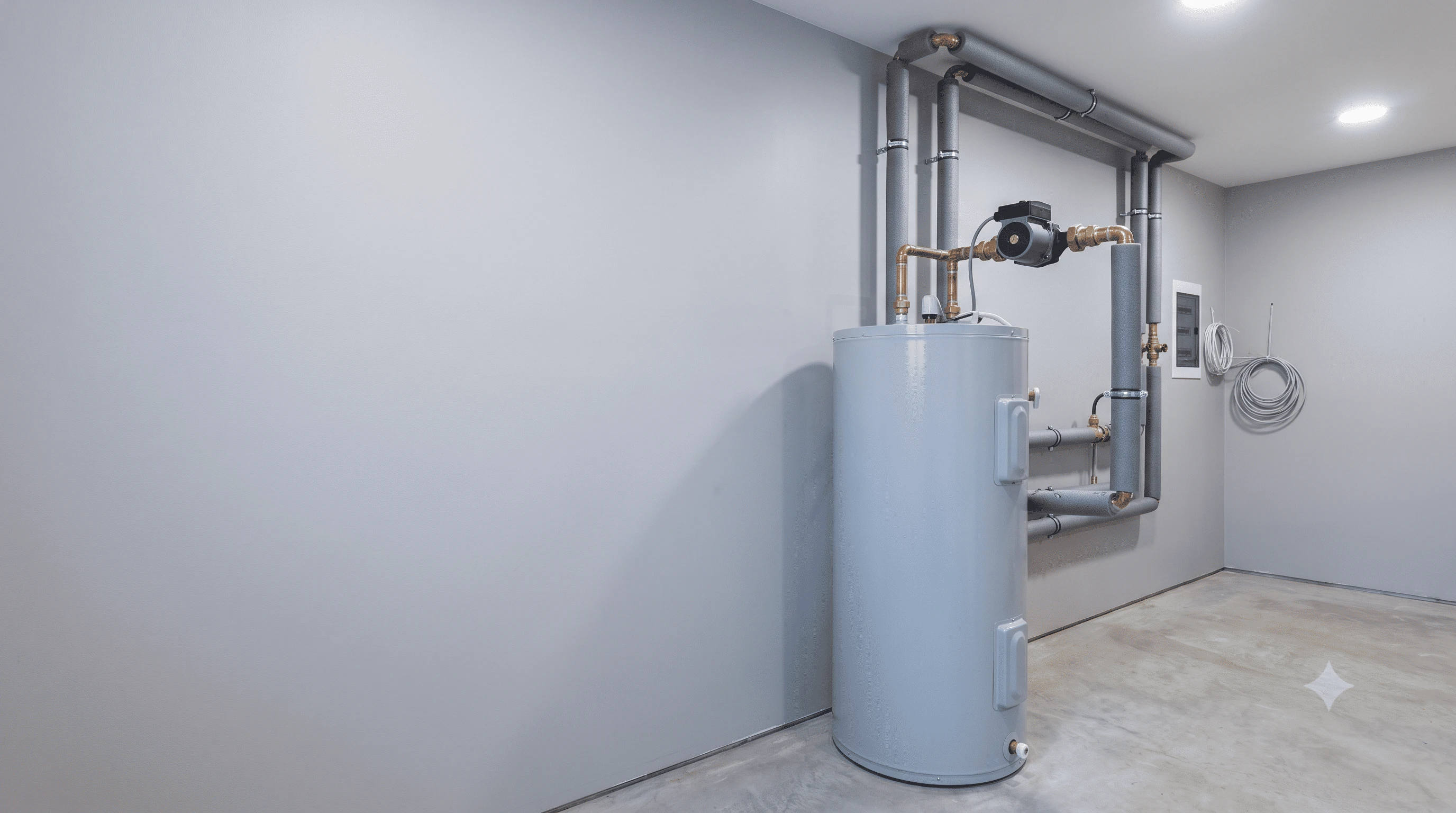
A recirculation system is the most complete answer, but a few measures can reduce the wait on their own or alongside it. Insulating the hot water lines slows heat loss so the water in the pipe stays warmer between uses. A small point of use water heater installed near a far fixture can serve that spot directly. In some homes, relocating the water heater closer to the most used rooms, or adding a second unit, shortens the longest runs. On a tankless setup, the wait can feel longer because the heater takes a moment to fire, which is one reason recirculation pairs well with tankless systems in larger homes.
Installation and Setup
A recirculation system ties into the water heater and, in the case of a dedicated loop, into the plumbing runs throughout the house. Sizing the pump, setting it on the right control mode, and placing the crossover valve at the correct fixture all affect how well it works and how much energy it uses. A pump that is oversized or left running around the clock can waste heat, while one that is undersized will not deliver hot water fast enough. For those reasons most homeowners have the work done by a licensed plumber. Professional hot water recirculation pump installation matches the system to your home’s layout and sets it up to save water without wasting energy.
The Bottom Line
Waiting on hot water in a big home is not a sign that anything is broken. It is the natural result of long pipe runs and the cooled water that fills them between uses. A recirculation system, sized and controlled correctly, keeps hot water close to your fixtures so the wait nearly disappears, while cutting the water and energy that a long wait quietly wastes. For a large household, it is one of the most noticeable everyday improvements you can make.