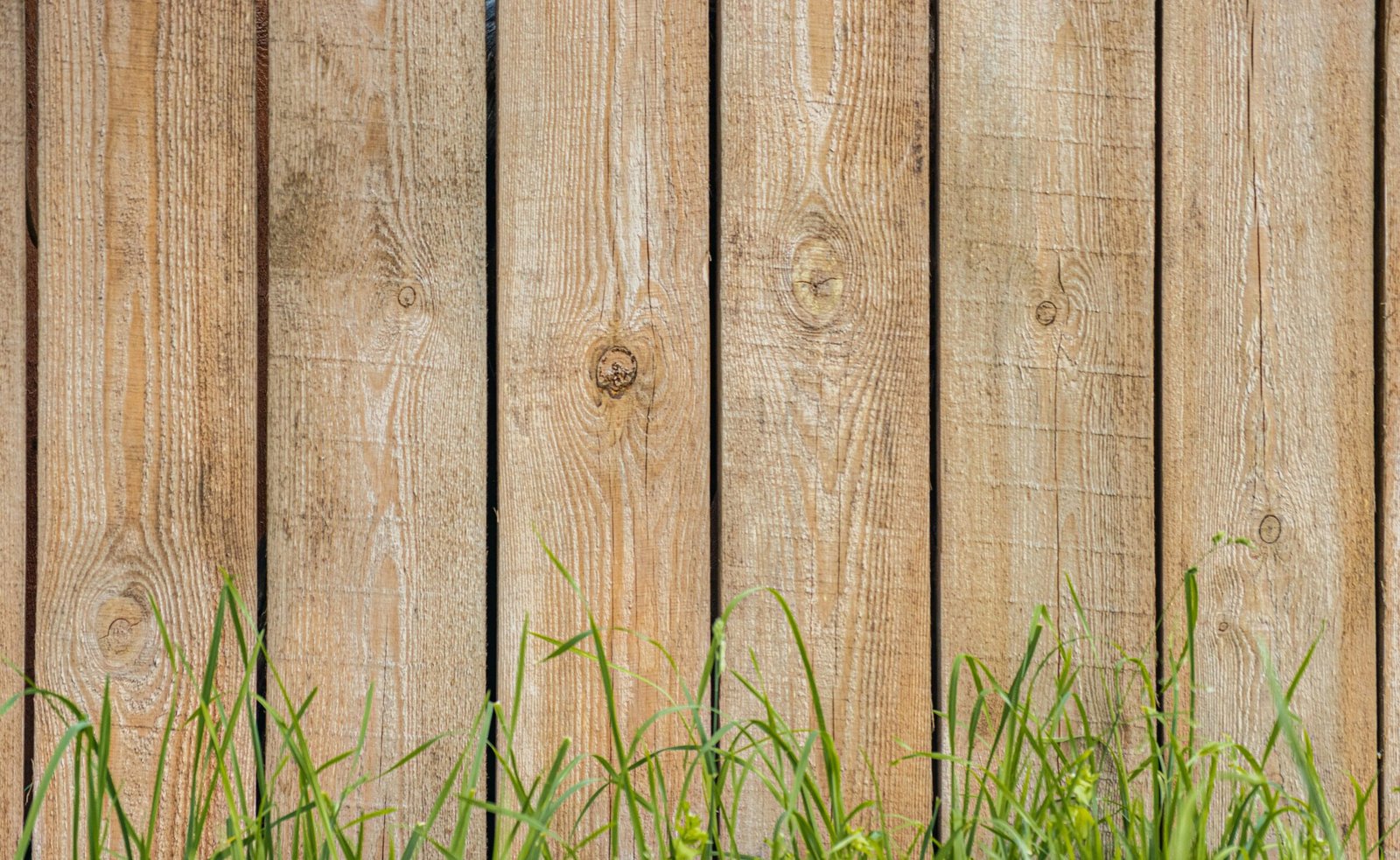

A well designed fence can completely change the way an outdoor space looks and functions. Whether you want to improve privacy, define boundaries, protect a garden or add character to your property, choosing the right fencing material is an important decision. It needs to be durable, attractive and suitable for the setting.
For many homeowners, landscapers and property developers, Timber fencing remains one of the most reliable and versatile options. With its natural appearance, practical strength and wide range of styles, timber can suit everything from traditional gardens to modern outdoor designs.
Why Timber Fencing Remains Popular
A Natural Look for Gardens and Landscapes
Timber has a warm and natural appearance that blends well with outdoor spaces. Unlike some synthetic materials, it complements plants, lawns, patios and other landscaping features without looking harsh or out of place.
This makes timber fencing a strong choice for gardens where appearance matters as much as function.
Flexible Design Options
One of the main advantages of timber fencing is its versatility. It can be used for full privacy panels, decorative screens, post and rail fencing, garden boundaries or feature areas.
Different heights, finishes and profiles allow homeowners to choose a style that suits their property. Whether the goal is security, privacy or visual appeal, timber can be adapted to meet different needs.
Key Benefits of Timber Fencing
Privacy and Boundary Definition
A good fence helps clearly define the edge of a garden or outdoor area. For homes close to neighbours or public paths, timber fencing can provide valuable privacy and make the garden feel more comfortable.
Taller panels can help create a more enclosed space, while lower fencing can mark boundaries without making the area feel closed in.
Strength and Durability
Quality timber fencing is designed to cope with outdoor conditions. When properly treated, installed and maintained, it can withstand changing weather and provide long lasting performance.
Choosing suitable timber and using the correct posts, fixings and installation methods can make a significant difference to how well the fence performs over time.
Improved Kerb Appeal
Fencing is often one of the first outdoor features people notice. A tired or damaged fence can make a garden look neglected, while a smart timber fence can instantly improve the appearance of the property.
Timber can be stained, painted or left with a more natural finish, giving homeowners flexibility when matching it to the rest of the outdoor design.
Popular Uses for Timber Fencing
Residential Gardens
Timber fencing is widely used in residential gardens because it offers a balance of privacy, style and practicality. It can be used around lawns, patios, vegetable gardens, play areas and seating spaces.
For families, a secure timber fence can also help create a safer enclosed area for children and pets.
Landscaping Projects
Landscapers often use timber fencing to shape outdoor spaces and create visual structure. It can separate different zones, frame planting areas or add texture to a garden design.
Used carefully, timber fencing can enhance the overall layout without overpowering the natural elements of the space.
Rural and Commercial Settings
Timber fencing is also suitable for rural properties, farms, parks and commercial landscapes. Post and rail fencing, for example, is a common choice for larger open areas because it defines boundaries while maintaining visibility.
For businesses, timber fencing can help create a welcoming and professional outdoor environment.
Choosing the Right Timber Fence
Consider the Purpose
Before choosing a fence, it is important to think about what it needs to do. A fence for privacy will have different requirements from one used mainly for decoration or boundary marking.
For example, solid panels may be better for screening, while slatted or open designs may suit spaces where light and airflow are important.
Think About Height and Layout
Fence height can affect privacy, security and the overall feel of the garden. Taller fencing can create a more private space, while lower fencing can keep an open and friendly appearance.
It is also worth considering gates, corners, slopes and access points before installation begins.
Choose the Right Finish
Timber fencing can be finished in different ways. Some homeowners prefer a natural wood look, while others choose stains or paints to match garden furniture, sheds or exterior features.
A suitable finish can also help protect the timber from moisture and weathering.
Maintenance Tips for Timber Fencing
Regular Cleaning and Checks
Timber fencing benefits from routine care. Checking for loose panels, damaged posts or signs of wear can help prevent small issues from becoming larger repairs.
Cleaning away dirt, leaves and plant growth can also help keep the fence looking fresh.
Reapply Protective Treatments
Depending on the timber and finish, protective treatments may need to be reapplied over time. Stains, oils or preservatives can help maintain the fence’s appearance and support its durability.
Following the manufacturer’s care guidance is the best way to protect the investment.
FAQ
Is timber fencing suitable for UK weather?
Yes. Timber fencing can be suitable for UK weather when the right timber, treatment and installation methods are used. Regular maintenance will also help improve its lifespan.
How long does timber fencing last?
The lifespan of timber fencing depends on the type of timber, treatment, exposure and maintenance. A well installed and well maintained timber fence can last for many years.
Can timber fencing provide privacy?
Yes. Solid timber fence panels are a popular choice for privacy. They can help screen gardens from neighbouring properties, roads or public paths.
Does timber fencing need maintenance?
Yes, timber fencing needs some maintenance to keep it in good condition. This may include cleaning, checking for damage and reapplying protective treatments when needed.
Can timber fencing be painted or stained?
Yes. Timber fencing can usually be painted or stained to suit the style of the property or garden. A good quality finish can also help protect the timber from the weather.
Conclusion
Timber fencing is a practical, attractive and versatile choice for a wide range of outdoor spaces. It can improve privacy, define boundaries, support landscaping plans and enhance the overall appearance of a property.
With the right design, installation and maintenance, timber fencing can provide long lasting value while adding natural character to gardens and outdoor environments. For homeowners and landscapers looking for a reliable fencing solution, timber remains a strong and timeless option.