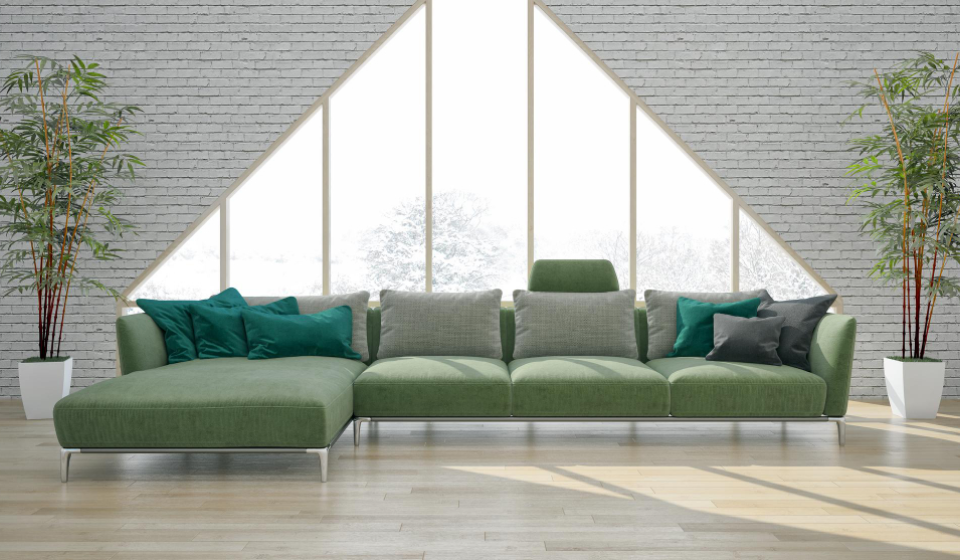

Creating a comfortable home is about more than choosing beautiful pieces. The way furniture is arranged can completely transform how a space feels and functions. A well-planned layout improves flow, supports daily routines, encourages connection, and enhances relaxation. On the other hand, poor arrangement can make even the most stylish home feel cramped, awkward, or uninviting.
Thoughtful furniture placement allows each room to serve its purpose while maintaining a sense of balance and harmony. Whether styling a living room, bedroom, dining space, or home office, understanding the principles of arrangement will help create a home that feels welcoming, practical, and genuinely comfortable.
Things to Consider Before Arranging Furniture
Start With Function First
Before moving a single piece, consider how the room is used. Comfort begins with functionality. Ask practical questions such as:
- What activities happen in this space
- How many people use it daily
- Is it primarily for relaxation, entertaining, work, or family time
Designing around lifestyle needs ensures that furniture supports everyday living rather than obstructing it. For example, a living room used for family movie nights should prioritise seating that faces the television. A spacious 4-seater sofa with an ottoman creates a comfortable, flexible setup that works for everyone.
Create a Clear Focal Point
Every comfortable room benefits from a focal point. This is the visual anchor that draws attention and guides the layout. It may be a fireplace, a large window, a statement artwork, or even a beautifully styled entertainment unit.
Arrange major furniture pieces to complement this focal feature. In a living room, position sofas and chairs to face the focal point while maintaining natural conversation angles. Avoid pushing all furniture against the walls unless the room is particularly small. Floating furniture slightly inward often creates a more inviting and balanced atmosphere.
Allow for Easy Movement
A common mistake in furniture arrangement is neglecting flow. A comfortable home allows people to move freely without squeezing between tables or navigating awkward pathways. Maintain clear walkways throughout each room. As a general guide, allow adequate space between seating and coffee tables, and ensure entry points are unobstructed. Good flow reduces stress and enhances the sense of openness.
When planning layouts, imagine how people will move from one area to another. Doors should open fully without hitting furniture, and pathways should feel natural rather than forced.
Use Proportion and Scale Wisely
Comfort is closely tied to proportion. Oversized furniture in a small room can feel overwhelming, while tiny pieces in a large space may look disconnected and sparse.
Measure the room before purchasing new items. Consider ceiling height, wall length, and natural light. Larger rooms can accommodate deeper sofas and large bed frames, while compact areas benefit from streamlined designs and lighter materials. Balancing scale ensures the room feels cohesive rather than cluttered or empty.
Balance Light and Airiness
Natural light enhances comfort. Avoid blocking windows with bulky pieces. Instead, position lower-profile furniture beneath windows where possible to allow light to circulate.
Mirrors can reflect light and make a room feel larger. Glass or open-legged furniture also contributes to a sense of airiness. Even in smaller homes, careful placement can create a bright and welcoming environment.
Make Bedrooms Restful and Practical
In bedrooms, the bed is naturally the focal point. Position it against a solid wall where possible, ideally with space on both sides for bedside tables. Symmetry often enhances calmness and visual order.
Ensure there is enough room to walk comfortably around the bed. Storage solutions such as dressers and sideboards should be placed where they are easily accessible without obstructing pathways. Keep the layout simple and uncluttered. A restful bedroom promotes relaxation and better sleep.
Avoid Common Arrangement Mistakes
Several layout errors can compromise comfort:
- Blocking natural pathways
- Using mismatched proportions
- Overcrowding with unnecessary furniture
- Ignoring the balance between visual weight and open space
Taking time to reassess and refine arrangements can dramatically improve how a room feels.
Final Thoughts
Arranging furniture is both an art and a practical skill. The right layout enhances comfort, improves flow, and transforms how a home functions in day-to-day life. By prioritising purpose, scale, balance, and connection, any space can become more inviting and enjoyable.
A comfortable home is not defined by trends or expensive pieces. It is shaped by thoughtful placement that supports everyday living. When furniture is arranged with intention, the entire atmosphere shifts, creating a space that feels welcoming, relaxed, and truly lived in.
Frequently Asked Questions
How do you arrange furniture in a small room to maximise comfort?
Focus on multifunctional pieces and keep pathways clear. Choose appropriately scaled furniture and avoid overcrowding. Floating key pieces slightly away from the walls can create better flow.
Should furniture always be placed against walls?
Not necessarily. Pulling furniture inward can create intimacy and better conversation areas. It often makes rooms feel more balanced and inviting.
How do you make an open space feel cosy?
Define zones using rugs and strategic furniture placement. Arrange seating to encourage interaction and layer textures for warmth. Proper lighting also enhances cosiness.
How important is symmetry in furniture arrangement?
Symmetry promotes calm and visual order, particularly in bedrooms and formal spaces. However, balanced asymmetry can also create interest and personality when done thoughtfully.