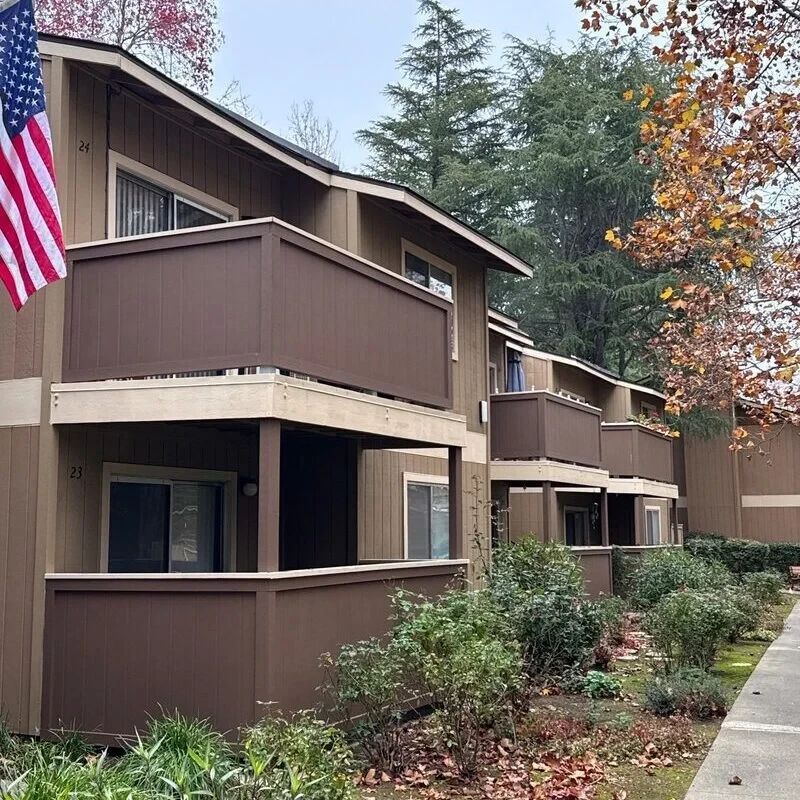

Owning a multifamily property in California used to mean dealing with tenant complaints, plumbing issues, and the occasional roof leak. Structural inspections of exterior elements were rarely on anyone’s radar.
That changed after a deadly balcony failure in Berkeley killed six people and injured seven others in 2015. Investigators traced the collapse to wood rot that had been silently destroying the support beams for years, completely hidden behind a normal-looking exterior.
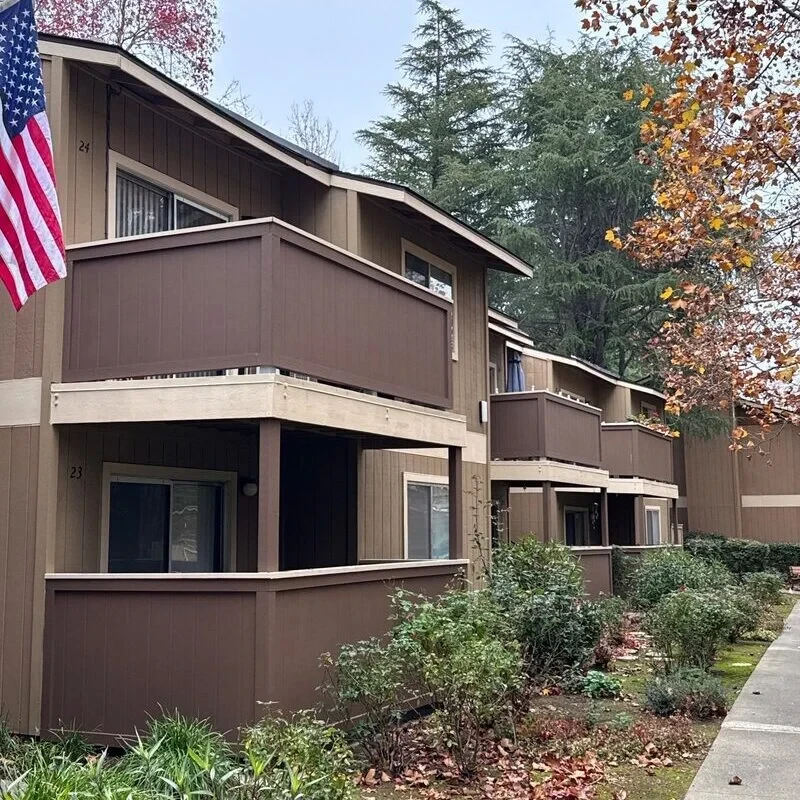
The state legislature moved quickly. Two bills — SB 721 and SB 326 — now require property owners to have their balconies, decks, stairways, and elevated walkways professionally inspected on a recurring basis. Both laws target exterior elements more than six feet off the ground that rely on wood-based structural support. AbdInspections (https://abdinspections.com/) specializes in this type of work across the Sacramento region, taking properties through every phase from initial walkthrough to final repairs. With both deadlines now behind us, owners who haven’t scheduled an inspection are accumulating daily penalties that add up fast.
Who Falls Under SB 721
This law, found in Section 17973 of the Health and Safety Code, targets buildings with three or more rental dwelling units. Think apartment complexes, triplexes, mixed-use developments with residential floors, college dormitories, and assisted living facilities. Essentially, if you collect rent from tenants in a building that has exterior elevated elements, SB 721 applies to you.
The initial inspection window closed on January 1, 2025. Going forward, every qualifying property must be reinspected on a six-year cycle. One detail that catches many owners off guard: the law demands invasive testing on a minimum of 15 percent of each category of exterior element. Inspectors must physically open sections of the structure to evaluate concealed framing, connectors, and waterproofing layers. Licensed contractors, architects, and engineers are all qualified to perform SB 721 work.
How SB 326 Differs for Condos and HOAs
Condominium communities governed by homeowners associations operate under a separate statute — Section 5551 of the Civil Code. While the goal mirrors SB 721, the execution requirements diverge in several ways.
The inspector pool is narrower — only a licensed architect or structural engineer may sign off. A general contractor does not meet the threshold. The reinspection interval stretches to nine years instead of six. And HOA board members carry direct fiduciary liability. They must fund the inspection from reserves, share findings with unit owners, and initiate emergency repairs within 180 days if critical hazards surface. Failing to act puts individual board members at legal risk, including potential lawsuits from the homeowners they represent.
What Inspectors Actually Look For
Surface-level appearances mean almost nothing when it comes to structural integrity. California’s weather — warm days, cool nights, occasional downpours, coastal salt exposure — creates ideal conditions for hidden moisture damage. Water seeps through worn sealants and sits against wooden framing where nobody can see it.
A thorough inspection goes well beyond a visual survey. Using borescope cameras and targeted openings in the cladding, inspectors examine:
- Joist and ledger board connections at the building wall, where trapped moisture causes the most frequent failures
- Metal fasteners, brackets, and anchoring hardware for signs of rust and structural weakening
- Waterproofing membranes and flashing systems to determine remaining service life
- Surface drainage pitch and gutter performance to identify standing water risks
- Guardrail posts and baluster attachments tested against lateral force standards
Every opened section gets sealed back up after testing. The final deliverable is a comprehensive report documenting each deficiency with photographs and a clear urgency ranking.
Working With AbdInspections: Start to Finish
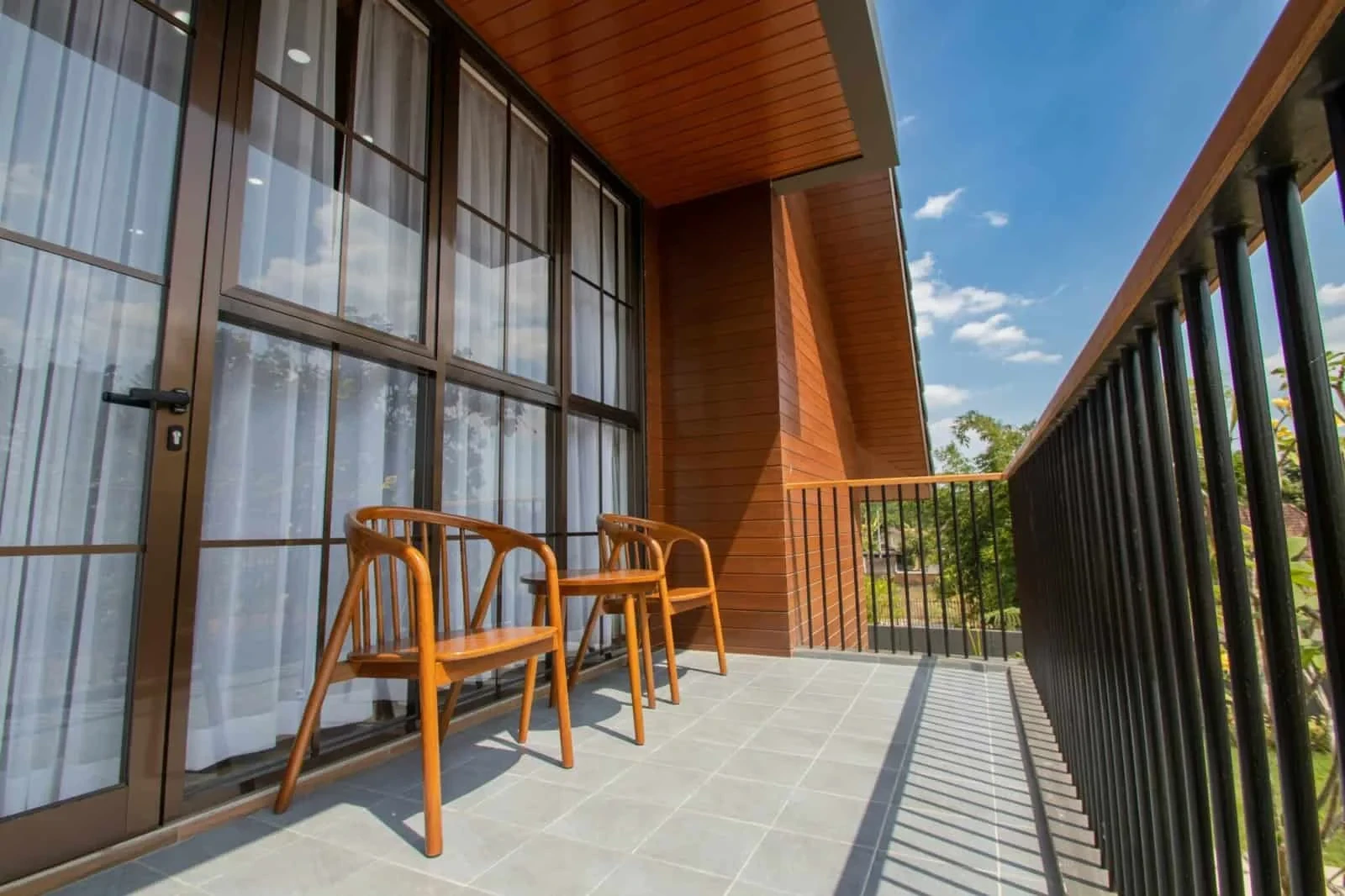
Having one team manage both the inspection and subsequent repairs eliminates a common headache — the blame game between separate contractors.
- Initial consultation to identify applicable regulations, scope the number of elevated elements, and deliver a straightforward cost estimate
- Field inspection using professional borescope equipment to evaluate both visible and concealed structural conditions
- Invasive sampling of the required percentage of elements, with all test openings carefully repaired afterward
- Delivery of a photo-documented report with defect ratings and a recommended repair sequence
- In-house construction crew handles all necessary work — using proven materials like Trex, TimberTech, Redwood lumber, and Westcoat waterproofing — with warranties extending up to five years
A superintendent with over a thousand completed inspections personally oversees every significant project on site.
The Real Cost of Waiting
Daily fines of up to $500 start accruing the moment a property misses its deadline. Individual violations can trigger penalties as high as $5,000 each. Insurance providers may refuse to honor claims on structures that lack a current inspection certificate. And should someone get hurt on an uninspected balcony or stairway, the liability exposure becomes extraordinarily difficult to defend in court.
HOA board members face an additional layer of vulnerability. Personal liability means their own assets could be at stake if a court finds they neglected their duties. Unit owners have every right to pursue legal action when common-area maintenance falls below statutory standards. If any of this sounds like a situation you’d rather avoid, get in touch with AbdInspections — we handle the entire compliance process so you can focus on managing your property.