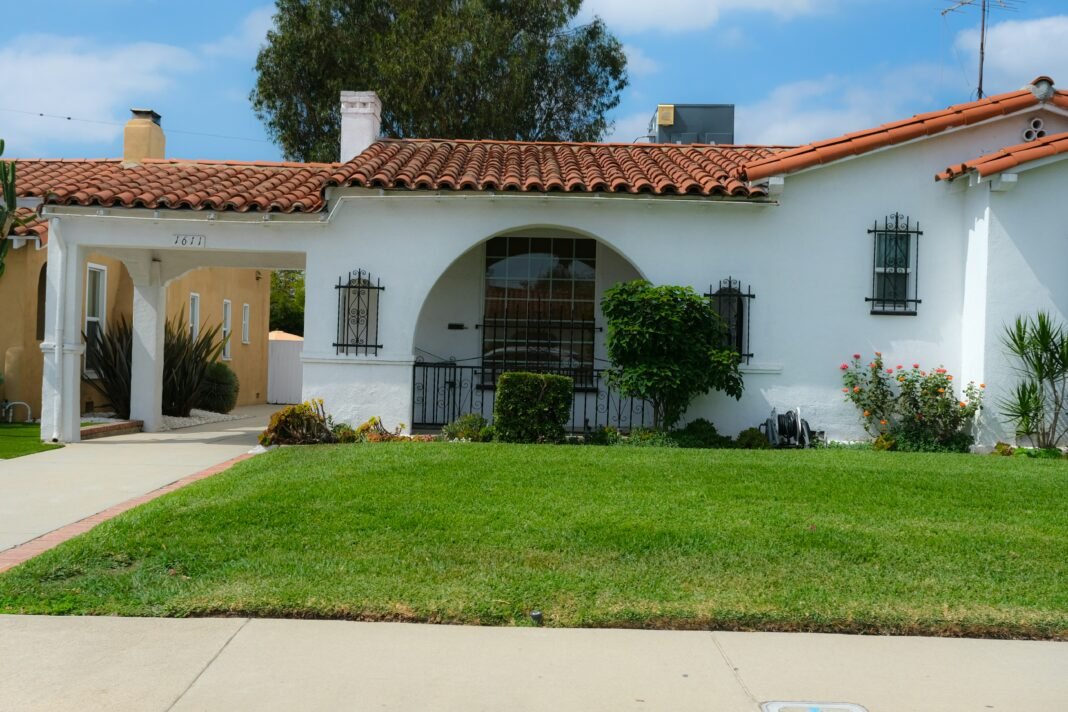

For decades, stucco has been the siding of choice in Colorado Springs. Its earthy tones, energy efficiency, and classic Southwestern aesthetic make it a natural fit for the region’s sun-soaked days and mountain vistas. Yet beneath its smooth, resilient surface, stucco is fighting a battle against Colorado’s most punishing elements—hailstorms and relentless freeze-thaw cycles. The result? Cracks, spalling, and water infiltration that are forcing homeowners to fundamentally rethink how they care for their homes’ exteriors.
As a growing number of residents turn to experts for solutions, companies specializing in stucco repair Colorado Springs services have seen a surge in demand. The once “low-maintenance” reputation of stucco is evolving into a story of proactive maintenance and climate adaptation. In this article, we’ll explore how Colorado’s unique weather patterns are accelerating stucco damage, what modern homeowners can do about it, and why preventive upkeep is quickly becoming a necessity—not an option.
The Beauty and Vulnerability of Stucco in Colorado
Stucco’s appeal lies in its versatility. It provides a textured, elegant look that can complement both modern and historic homes. When applied correctly, it forms a strong protective barrier that resists fire, insulates efficiently, and weathers sunlight better than most siding materials.
However, Colorado Springs presents a challenge that even the best stucco cannot ignore: rapid and extreme temperature shifts. Unlike milder climates, the region’s dry, high-altitude air is punctuated by dramatic weather swings—sometimes from 70°F afternoons to subfreezing nights in a single day. This constant contraction and expansion test stucco’s structural integrity.
Hailstorms add another layer of destruction. According to the National Weather Service’s Pueblo Office, the Front Range sees an average of seven to nine severe hail events per year. In some neighborhoods, golf ball-sized hailstones can strike at speeds exceeding 90 mph, fracturing stucco surfaces and embedding moisture deep beneath the outer coat. Once that moisture freezes, it expands, forcing cracks wider and accelerating deterioration.
Hail: The Unforgiving Enemy of Stucco
Colorado is part of what meteorologists call “Hail Alley,” a corridor stretching from Wyoming to Texas that experiences some of the highest hail frequencies in North America. While roofs bear the brunt of most hail damage, stucco exteriors often suffer quietly and invisibly.
Unlike vinyl or metal siding, which dent or break, stucco tends to crack in spiderweb-like patterns. These hairline fractures may seem superficial but can allow water to penetrate the underlayment and sheathing. Once moisture is trapped behind stucco, it can weaken the structure from the inside out.
A 2023 report from the Insurance Information Institute noted that Colorado ranks second only to Texas in total hail-related insurance claims, with billions of dollars in annual property damage. Much of this cost comes from compromised siding systems. The issue is compounded when homeowners delay inspection, unaware that the real damage lies beneath the surface layer.
The Freeze-Thaw Cycle: A Slow but Relentless Destroyer
If hail delivers immediate trauma, freeze-thaw cycles inflict slow, persistent damage. During Colorado’s winter and early spring, daily temperature swings often cross the freezing threshold multiple times. Each cycle causes any trapped moisture in the stucco to freeze, expand, and then contract when thawed.
This repetitive movement gradually widens microcracks, allowing more water infiltration with each freeze-thaw event. The process is cumulative, meaning even small imperfections in stucco can grow into large fissures or bulges over several seasons. Once the integrity of the topcoat is compromised, the underlying layers—scratch coat, brown coat, and lath—can deteriorate, weakening the entire system.
According to research by the University of Colorado Boulder’s Department of Civil, Environmental, and Architectural Engineering, materials exposed to high-altitude freeze-thaw conditions experience degradation rates up to 25% faster than those in more stable climates. That’s especially relevant in Colorado Springs, where elevation and thin air amplify thermal swings.
Moisture Intrusion and Mold: The Hidden Aftermath
Once water infiltrates stucco, it doesn’t just weaken the wall—it can trigger mold growth and interior damage. Moisture trapped behind stucco walls often lacks an escape route, particularly in older homes that lack modern drainage systems or vapor barriers.
When left unchecked, this damp environment fosters mold colonies that spread within wall cavities. Homeowners may not notice until musty odors or dark stains appear inside. By then, remediation becomes far more complex and costly.
The Colorado Department of Public Health and Environment has warned that indoor mold exposure can aggravate respiratory issues and allergies, particularly among children and seniors. What starts as exterior stucco damage can therefore evolve into a serious indoor air quality concern.
Modern Materials and Techniques: Adapting to the Climate
As Colorado Springs homeowners face escalating repair cycles, the construction industry is responding with more resilient materials and smarter application methods. Traditional cement-based stucco, though durable, lacks the flexibility needed to endure extreme thermal expansion.
Today, many professionals recommend synthetic or elastomeric stucco coatings. These advanced systems incorporate polymers that allow greater elasticity, preventing cracks from widening under temperature stress. Some even contain UV inhibitors to reduce fading and chalking caused by intense sunlight at higher altitudes.
For added protection, contractors are now using breathable yet water-resistant sealants that allow vapor to escape without letting liquid water in. Regular sealing—typically every five to seven years—can dramatically extend stucco’s lifespan and minimize repair frequency.
Insurance and Economic Implications
While stucco damage may start small, its financial ripple effects are significant. Insurance companies in Colorado have become increasingly meticulous about claims involving exterior damage. Homeowners who delay inspections or maintenance may find coverage denied under clauses that classify deterioration as “wear and tear” rather than “sudden damage.”
The Colorado Division of Insurance urges property owners to document conditions after every major storm and to retain proof of regular maintenance. Having professional inspection reports and photographic evidence can strengthen future claims.
Rising material and labor costs further underscore the importance of early intervention. With ongoing labor shortages in the construction industry, waiting until severe damage occurs often means long repair delays and higher contractor premiums. Proactive upkeep—such as minor crack sealing and re-coating—remains the most cost-effective strategy.
The Cultural Shift: From Reactive to Proactive Home Care
Colorado Springs homeowners are increasingly shifting their mindset from “repair” to “prevention.” Historically, stucco was treated as a one-and-done investment—a set-it-and-forget-it siding. But the frequency of damaging weather has changed that perception.
Community forums and neighborhood associations now routinely share contractor recommendations and weather alerts. Some homeowners schedule annual inspections, just as they would for HVAC or roofing systems. Others have begun coordinating neighborhood-wide stucco maintenance projects to reduce costs and ensure consistent curb appeal.
Local homebuilders are also adapting, integrating more flexible expansion joints and advanced flashing techniques in new construction to mitigate cracking from temperature extremes. These small design upgrades reflect a growing recognition that climate resilience begins at the material level.
Final Thoughts
In Colorado Springs, weather isn’t just a backdrop—it’s a constant test of endurance. Between pounding hail and freeze-thaw stress, even the toughest stucco walls can succumb to time and temperature. But with knowledge, vigilance, and the right professional support, homeowners can fight back.
The city’s architecture will continue to evolve, shaped by its climate and the craftsmanship of those who maintain it. Stucco, once seen as a static material, now tells a story of resilience—one patched crack, sealed joint, and reinforced wall at a time.