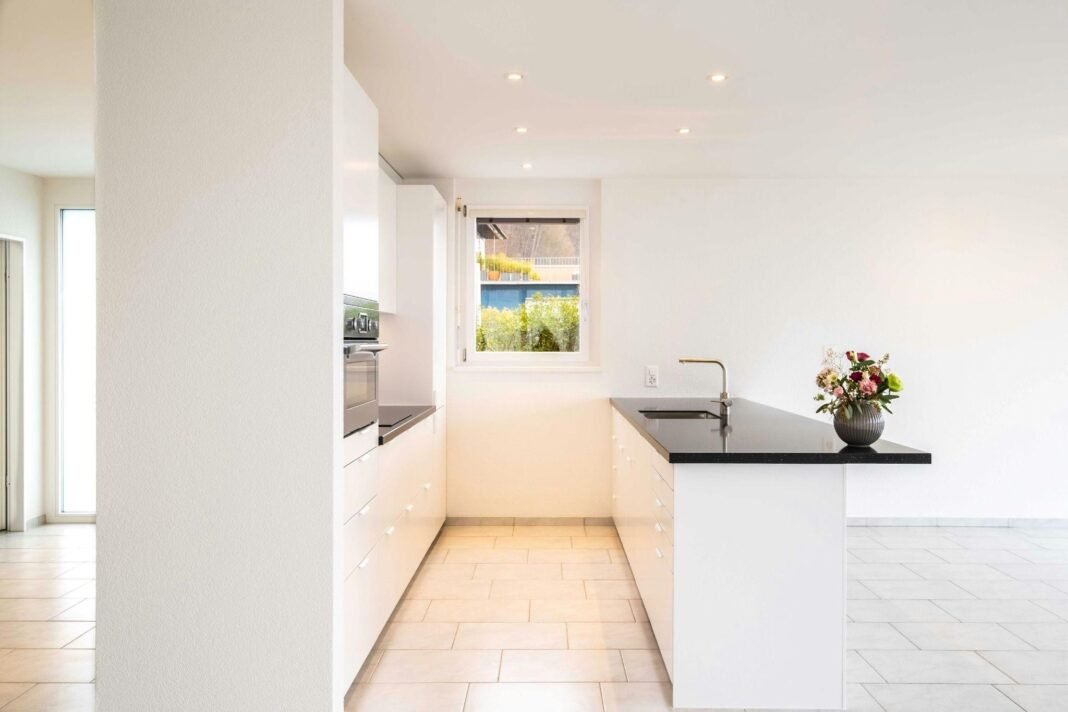

Sydney’s suburbs are in the midst of a quiet transformation. From Federation homes in the Inner West to coastal properties in the Eastern Suburbs and growing family houses in the Hills District, renovation priorities are shifting dramatically. Today’s homeowners are looking beyond surface-level upgrades and investing in long-term efficiency, climate resilience and smarter design. In this new era of home renovation in Sydney, sustainability is no longer an optional extra; it’s central to the brief.
Rising electricity costs, growing awareness of climate risks and evolving building standards across New South Wales are influencing renovation decisions at every level. Buyers are increasingly asking about insulation ratings, solar generation capacity and water-saving systems before they ask about benchtops. The result is a wave of forward-thinking retrofits that blend aesthetics with environmental performance. Below are the most influential sustainable renovation trends reshaping Sydney’s residential landscape.
Solar-First Renovations with Integrated Battery Storage
Rooftop solar has become the cornerstone of sustainable home upgrades across Sydney’s suburbs. Rather than treating solar panels as an afterthought, many homeowners are designing renovations around optimal roof orientation, panel placement and inverter capacity. Suburbs with generous roof space, such as those in Western Sydney, are seeing particularly high uptake as residents look to offset increasing power bills and reduce dependence on the grid.
Battery storage is increasingly paired with these systems, allowing households to store excess daytime energy for evening use. This combination improves energy independence and enhances resilience during outages caused by storms or grid stress. For families planning long-term occupancy, the upfront investment is viewed as both a financial and environmental hedge, a way to future-proof the property against fluctuating energy prices.
Passive Design Retrofits for Year-Round Comfort
Instead of relying solely on mechanical cooling and heating, homeowners are revisiting passive design principles to improve thermal performance. Retrofitting insulation in walls and ceilings, upgrading to double-glazed windows, sealing drafts and improving shading can dramatically reduce indoor temperature swings. In older terrace homes and mid-century brick houses, these upgrades often yield immediate comfort improvements.
Cross-ventilation is another growing focus, particularly in coastal and harbour-facing suburbs where breezes can be harnessed naturally. By reconfiguring window placements or adding louvres and skylights, renovators are encouraging airflow that reduces reliance on air conditioning. These passive-first strategies not only cut emissions but also create quieter, more naturally lit interiors.
Electrification of Heating, Cooking and Hot Water
A decisive shift away from gas appliances is taking hold in Sydney renovations. Induction cooktops are replacing gas burners in modern kitchens, offering faster heating and improved safety. Heat pump hot water systems are becoming a preferred choice for their efficiency, especially when powered by rooftop solar.
Reverse-cycle air conditioning systems with high energy ratings are replacing gas ducted heating in many homes. Electrification simplifies energy systems and aligns with broader state-level efforts to decarbonise buildings. Over time, fully electric homes powered by renewable energy can significantly reduce operational emissions while lowering ongoing utility costs.
Water-Smart Landscaping and Rainwater Harvesting
Sydney’s climate variability has prompted homeowners to rethink outdoor spaces. Native and drought-tolerant plantings are replacing thirsty lawns, particularly in areas where water restrictions have previously applied. Landscapes are being redesigned to require less irrigation while still providing greenery, shade and biodiversity.
Rainwater tanks are increasingly integrated into renovation plans, collecting roof runoff for garden use or toilet flushing. In larger properties, greywater recycling systems are also gaining traction. These water-sensitive approaches reduce strain on municipal supply while making homes more resilient during dry periods.
Sustainable and Reclaimed Building Materials
Material choices are receiving closer scrutiny during renovations. Homeowners are seeking timber certified by responsible forestry programs, recycled bricks, reclaimed hardwood flooring and low-VOC paints that improve indoor air quality. Salvaged architectural elements are particularly popular in heritage suburbs, where they preserve character while reducing landfill waste.
There is also growing interest in materials with lower embodied carbon. Engineered timber products, recycled steel and innovative concrete alternatives are being specified more frequently. By considering the lifecycle impact of materials, renovators are lowering the environmental footprint of their projects from the ground up.
Smart Home Energy Management Systems
Digital technology is playing a crucial role in making sustainable renovations more effective. Smart thermostats, automated lighting systems and real-time energy monitors help homeowners track and optimise consumption. In larger family homes, these systems provide visibility over where energy is used and where savings can be made.
Electric vehicle chargers are also being incorporated into garage upgrades, often programmed to charge during peak solar generation hours. This integration of home and transport energy systems represents a significant evolution in suburban sustainability, enabling households to maximise the value of renewable power.
Climate-Resilient Design and Heat Mitigation
With Sydney experiencing hotter summers, heat resilience is influencing design decisions. Light-coloured roofing materials, reflective coatings and improved attic ventilation reduce heat absorption and improve indoor comfort. In bushfire-prone outer suburbs, fire-resistant cladding and ember-proof vents are also becoming standard inclusions.
Shading strategies such as pergolas, adjustable screens and deep eaves help protect windows from harsh western sun. These measures reduce cooling loads while extending the life of exterior materials. Renovations are increasingly planned with long-term climate patterns in mind, not just immediate aesthetic trends.
Urban Greening and Biophilic Design
Homeowners are bringing more greenery into both interiors and exteriors. Courtyards, vertical gardens and rooftop plantings are transforming compact suburban blocks into small ecological havens. In denser suburbs, green roofs improve insulation while also reducing stormwater runoff.
Inside the home, natural materials and increased daylight are central to biophilic design principles. Large sliding doors, indoor plants and timber finishes foster a stronger connection to nature. These features enhance wellbeing while contributing to better air quality and thermal performance.
Planning-Savvy Renovations and Compliance Upgrades
Sustainable renovations increasingly align with evolving planning requirements in New South Wales. Energy and water performance benchmarks influence renovation approvals, encouraging homeowners to exceed minimum standards. Engaging designers and builders familiar with local compliance frameworks helps streamline approvals and avoid costly redesigns.
In many Sydney suburbs, homeowners are proactively upgrading to meet or surpass current benchmarks even when not strictly required. This forward-thinking approach safeguards resale value and ensures properties remain competitive as sustainability expectations rise across the market.
Community-Led Retrofit Movements
Neighbourhood collaboration is emerging as a powerful driver of sustainable renovation. In several Sydney suburbs, residents are sharing supplier recommendations, organising bulk purchases of insulation or solar systems and exchanging advice on energy-efficient upgrades. This collective knowledge accelerates adoption of best practices.
Local workshops and sustainability forums are helping demystify technologies such as battery storage and heat pumps. By building networks of informed homeowners, suburbs are evolving into micro-communities that support greener living. The cumulative effect of these individual projects is reshaping entire streetscapes.
Conclusion: The Future of Sustainable Living in Sydney
Sydney’s renovation landscape is undergoing a profound evolution. What was once driven primarily by design trends is now shaped by environmental awareness, economic pragmatism and long-term resilience. Across diverse suburbs, from coastal enclaves to rapidly expanding outer districts, sustainability is redefining what it means to modernise a home.
These trends demonstrate that responsible renovation does not require sacrificing comfort or style. Instead, it enhances both. As more homeowners prioritise efficiency, water security, renewable energy and low-impact materials, Sydney’s suburbs are gradually transforming into smarter, more adaptable communities. The sustainable renovation movement is not a fleeting fashion, but the new foundation of home improvement in Australia’s largest city.